
- A rewritten phrase or clause with the word “being” in it is almost always wrong.

- Shorter versions of rewritten grammar are usually the correct answers. If in doubt, choose the shortest or second shortest answer.
- Hard to spot run-on sentences often have a comma in the middle of the sentence followed by a subject pronoun. The comma needs to be a period, or a semicolon. Or you need to put a coordinating conjunction after the comma.
- If you have one dash, you need two dashes unless the sentence ends where the second dash would be.
- In lists or series, the important words must be the same part of speech such as all nouns, all verbs, all infinitives, or all gerunds.
- “It’s” means it is. “Its” means something belongs to it. Its’ is not a word.
- “They’re” means they are. “Their” means something belongs to them. “There” means over there or that something exists. All three begin with “the.” Thier is not a word.
- Commas come before coordinating conjunctions, not after unless what follows the conjunction is nonessential information.
- Third person singular verbs (the kind you use with “he,” “she,” or “it” as the subject) in the present tense end in an “s.”

One-on-one online writing improvement for students of all ages

As a professional writer and former certified middle and high school educator, I now teach writing skills online. I coach students of all ages on the practices of writing. Click on my photo for more details.
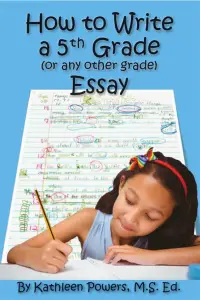
You may think revising means finding grammar and spelling mistakes when it really means rewriting—moving ideas around, adding more details, using specific verbs, varying your sentence structures and adding figurative language. Learn how to improve your writing with these rewriting ideas and more. Click on the photo For more details.
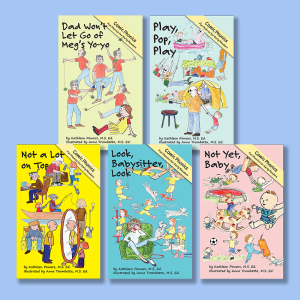
Comical stories, repetitive phrasing, and expressive illustrations engage early readers and build reading confidence. Each story includes easy to pronounce two-, three-, and four-letter words which follow the rules of phonics. The result is a fun reading experience leading to comprehension, recall, and stimulating discussion. Each story is true children’s literature with a beginning, a middle and an end. Each book also contains a "fun and games" activity section to further develop the beginning reader's learning experience.
Mrs. K’s Store of home schooling/teaching resources
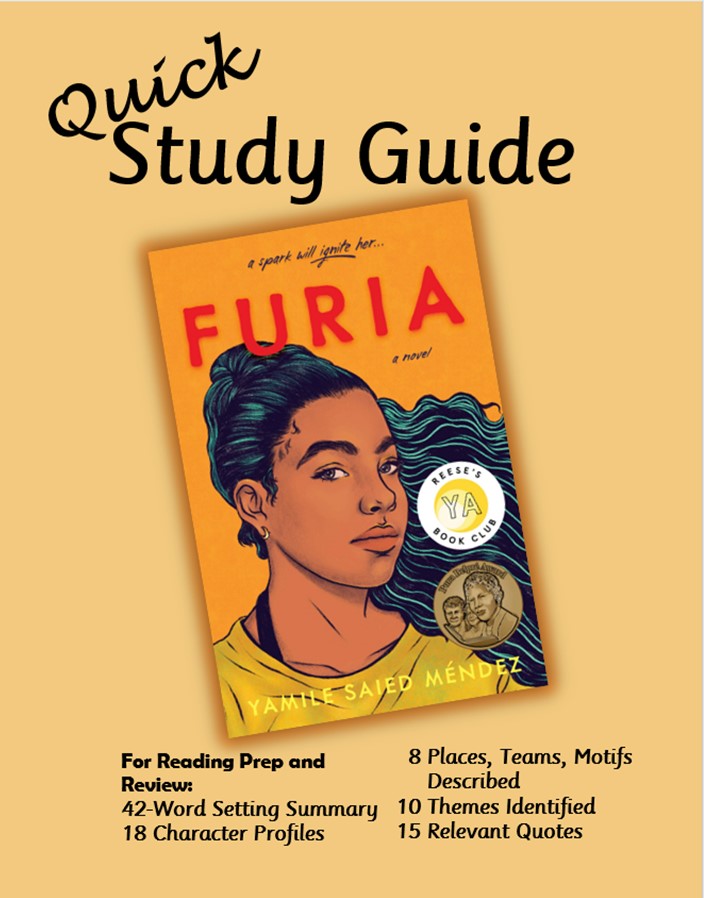
Furia--Quick Study Guide is a nine-page text with detailed information on the setting; 17 characters; 10 themes; 8 places, teams, and motifs; and 15 direct quotes from the text. Teachers who have read the novel can months later come up to speed in five minutes by reading the study guide.
One-on-one online writing improvement for students of all ages
As a professional writer and former certified middle and high school educator, I now teach writing skills online. I coach students of all ages on the practices of writing. Click on my photo for more details.
 English Writing Teacher