
A reader asks: Why do students not need to focus on spelling, word order, or capitalization when composing on electronic devices?
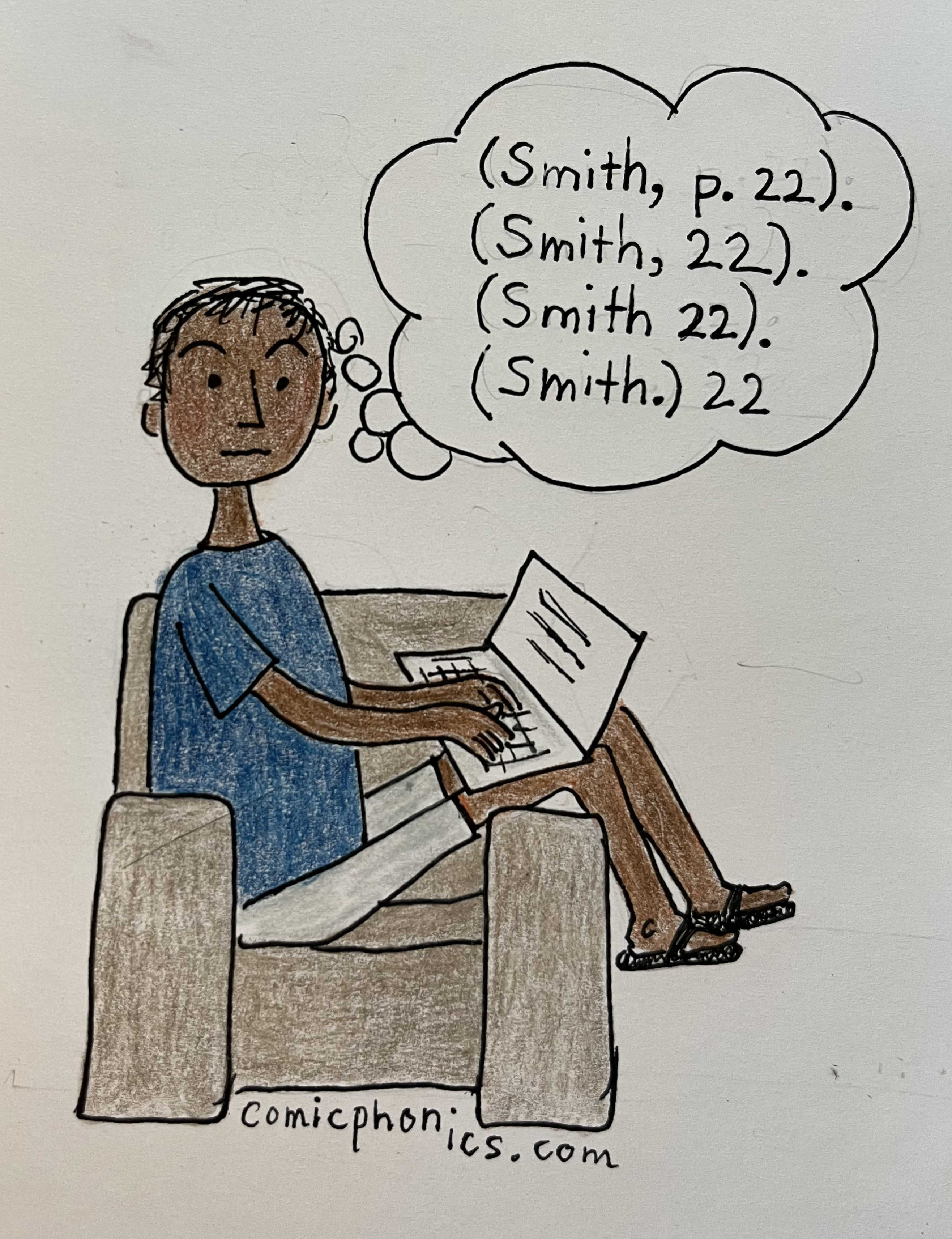 There are several reasons, but the most important reason is the same reason students don’t need to focus on those things when they are writing in long hand. Continuing the flow of your ideas is what is most important while composing.
If a writer stops to check citation style or any other detail while composing, the writer loses the flow of his or her ideas. It’s better to keep writing while you know what you are going to say next and focus on details or fix mistakes later.
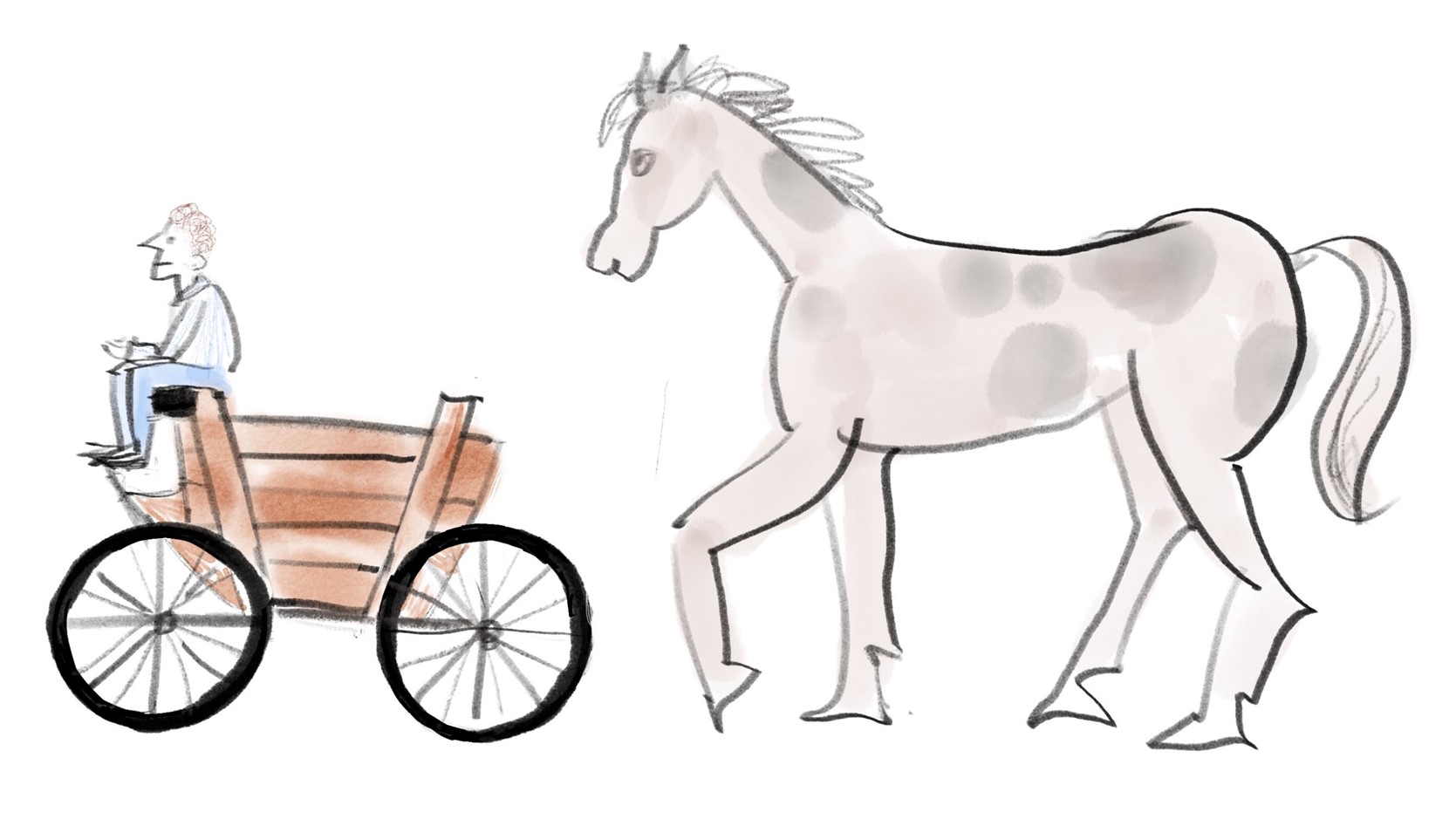
Another reason is that composing is a much harder task than editing. Composing involves many higher level thinking skills—applying information, analyzing in a clear order, evaluating choices while you write, and bringing together ideas. These skills are more difficult than fixing a spelling mistake. So it is better to work on harder composing skills without interrupting your flow with editing details.
Still another reason is that electronic equipment fixes many mistakes when a writer reaches the end of a sentence. The “fix” might not be correct or what you want, but again, you can make needed changes when you have finished composing. Many writers compose during their most alert hours, during quiet hours when their minds work best. They save their editing for times when flow is less important.
Polishing writing is important. It is during revising that so-so writing becomes great. Revising means analyzing whether everything you need to say is said, whether your information is in the correct order, whether you need to delete or insert material, whether you have named your sources. Revising is not as hard as composing, but it is easier than editing for English conventions. Some writers revise as they compose and others might wait until the end of a composing session.
Eventually, students do need to focus on spelling, word order, and capitalization, but not while they are composing.






 English Writing Teacher