
With so much information on the Internet, students need to learn how to distinguish good from bad sources for their research projects. One way to do this is to apply the CRAAP test to source material to determine if the information is sound.
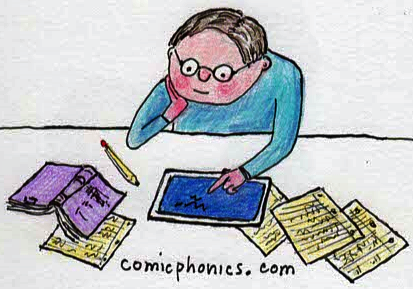 The CRAAP test? What’s that? It’s five criteria you can use to judge if your information is good or is crap. Here are the five criteria:
Current: Is the information current or is it dated? If it is out-of-date, does that matter? If you are writing about the life of John F. Kennedy, books sixty years old written by people who knew him–primary sources–might be excellent sources. Has the information been updated since it was published? If you are writing about the SAT, including that the test will be offered online only starting in 2024 is important, timely information to include.
Relevant: Is the source directly related to your topic? If you are writing about the Trump White House, then perhaps testimony made to the January Sixth Committee of Congress by people who worked at the White House would be as pertinent as interviews with staff who did not testify. What audience are you writing for? If you are writing a biography intended for elementary school age children, the facts you include might be different from facts you would include for an adult audience.
Authoritative: What makes the author of the source material you are using an authority on the subject? Is the source a relative? A scientist in the same field? A collaborator? Are you using that source’s primary information or secondary information? Is the source qualified about the topic? What are his or her credentials? Is the data published in a peered-reviewed journal?
Accurate: Is the source fact or opinion? What evidence collaborates the source material? Have the facts been fact-tested by any reliable source? If the information is old–say records of the Battle of Hastings in 1066 in Britain–does the author explain that the “facts” differ depending on whether the winning or losing side reported them?
Purpose: What purpose has the information been used for–to inform, persuade, entertain, advertise, editorialize, provide testimony, or something else? Is opinion presented as fact? Can you distinguish between fact and opinion? Has the author been clear about his or her ability to understand the data?
When children are young, they pretty much accept what adults say as the truth. But as they mature, children learn that not every source can be trusted. That includes sources used for research. Applying these criteria systematically helps students better analyze the truthfulness and usefulness of their sources.

 English Writing Teacher